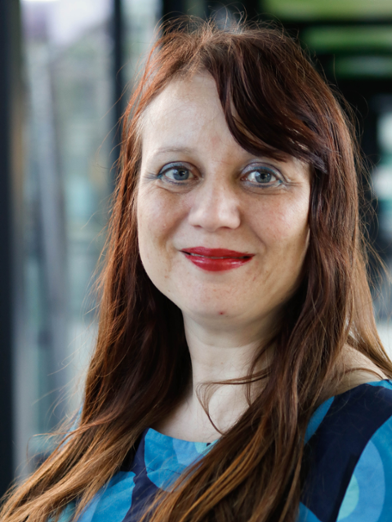
Marguérite Corporaal is Professor of Anglophone Literature and Culture at Radboud University, and an expert on the cultural memories and heritage of European famines. She was the recipient of an ERC Starting Grant for Consolidators for a project researching the early literary legacies of Ireland’s Great Famine (2010-15), as well as the principal investigator of the VICI project Redefining the Region: The Transnational Dimensions of Local Colour (NWO, 2019-25). Furthermore, Corporaal led the consortium of Heritages of Hunger (NWO-NWA, 2019-25) which investigated the legacies of six modern European famines in teaching, commemoration, heritage making, and musealisation. Corporaal is the author of Relocated Memories: The Great Famine in Irish and Diaspora Fiction, 1846-1870 (Syracuse UP, 2017), and co-editor of, amongst others, Famines and the Making of Heritage (Routledge, 2024). Presently, Corporaal researches cultural representations and heritage of nineteenth-century cholera epidemics in Ireland, Britain and Canada; the nineteenth-century Irish diaspora in relation to epidemic diseases; as well as textbook, museum, and heritage narratives about pandemics.
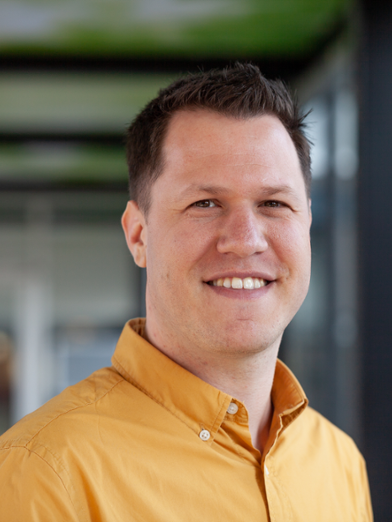
Tim Riswick is an Assistant Professor of Historical Demography at Radboud University, Nijmegen. His research expertise lies in comparative family history in East Asia and Western Europe from 1800 to 2000. His work examines the emergence of health inequalities in 19th and 20th-century societies, focusing on epidemics, cause-specific mortality, and hospital patients. He leads the COST Action network “The Great Leap: Multidisciplinary Approaches to Health Inequalities, 1800-2022”, the Dutch platform www.doodsoorzaken.nl, and is currently working on his Dutch Research Council Veni project, “Unravelling Health Inequalities: The Historical Roots of Inequality in Death and Disease in West-European Port Cities, 1850-1950.”
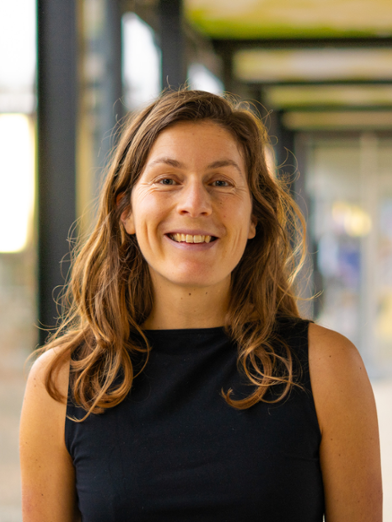
Marileen La Haije is Assistant Professor of Hispanic Cultures at Radboud University, the Netherlands. Her research focuses on arts-based practices addressing mental health and human rights in Latin America and Europe. Her work on creative responses to the COVID-19 pandemic includes research on narrative roleplaying games at the Tobar García Children’s Hospital for Mental Health in Buenos Aires during 2020-21 (Barugel, S. & La Haije, M. 2024, Journal of Childhood Studies).
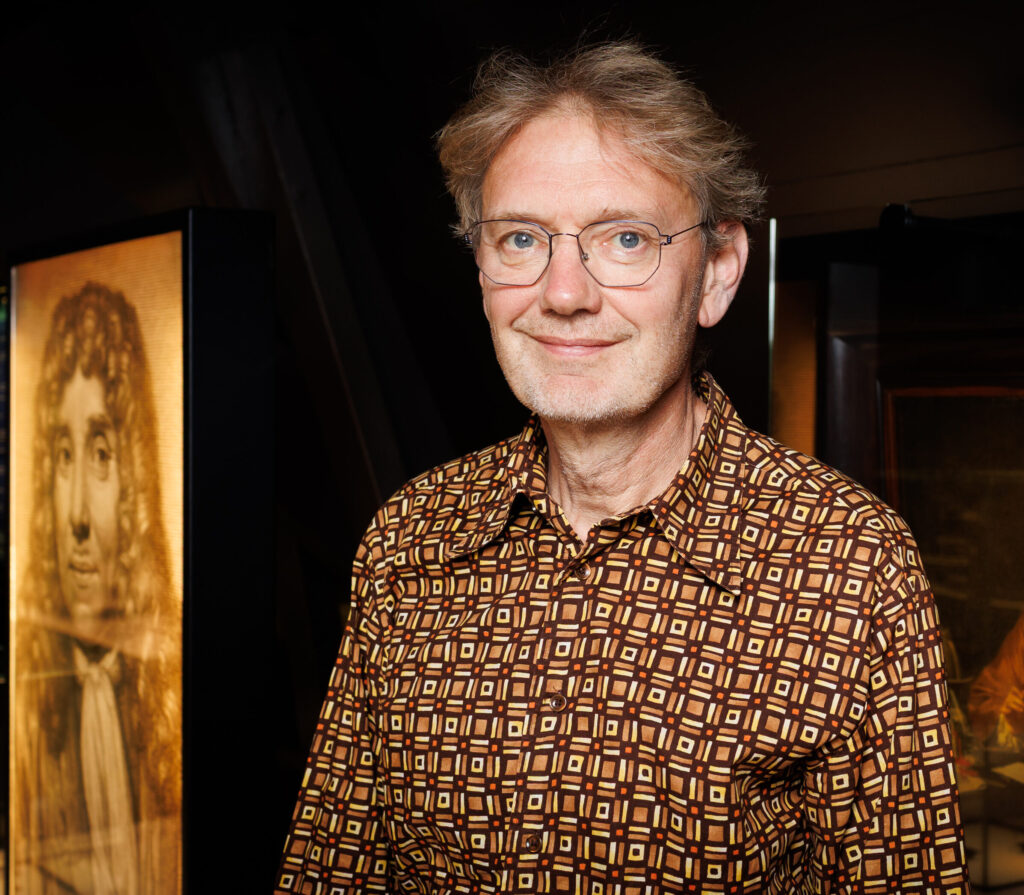
Ad Maas is Curator of Modern Natural Sciences of Rijksmuseum Boerhaave and Professor by special appointment in Museological Aspects of the Natural Sciences at Leiden University. Maas specializes in the history of physics, history of scientific collecting, 19th-century Dutch science and society, and museological aspects of modern scientific heritage.
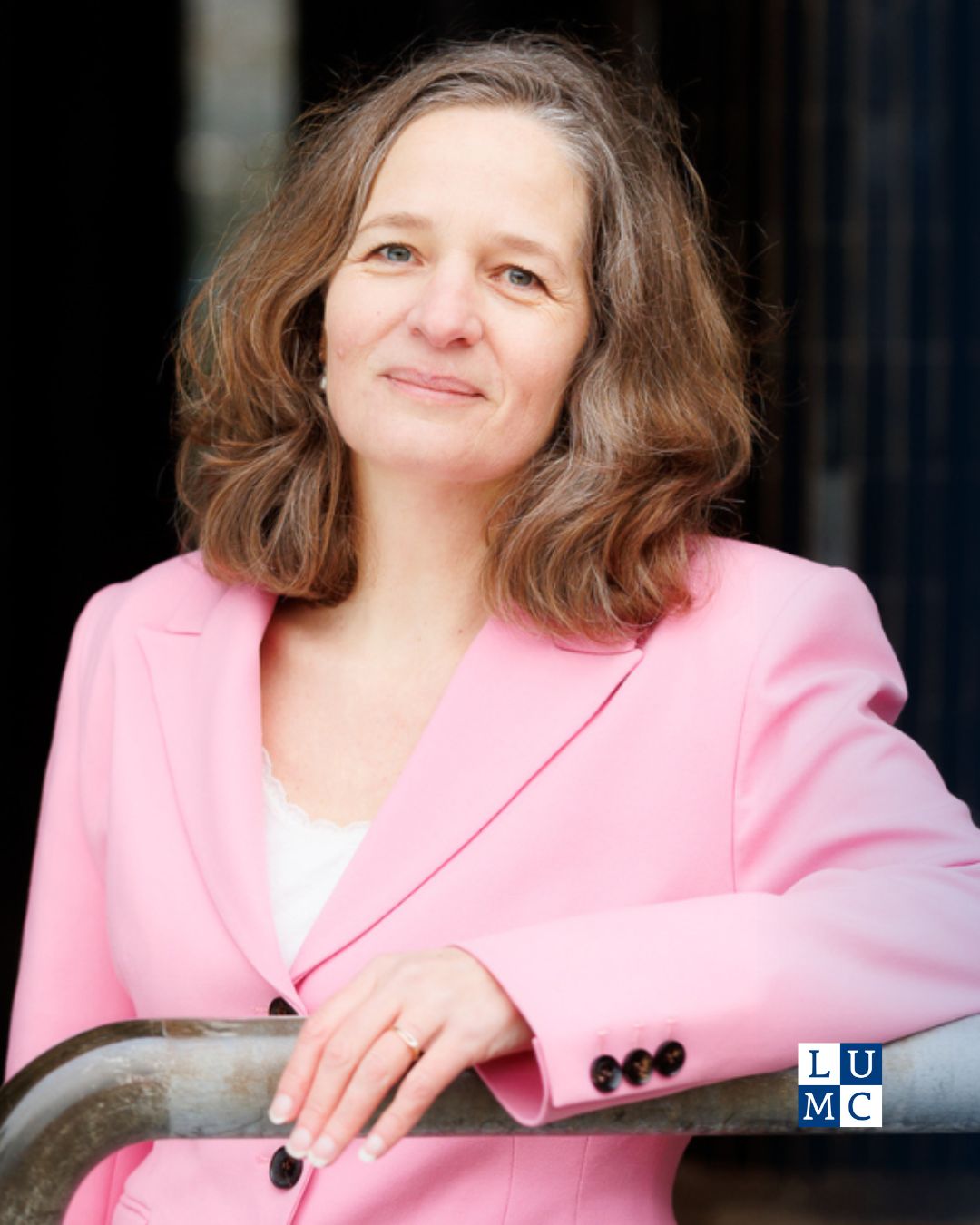
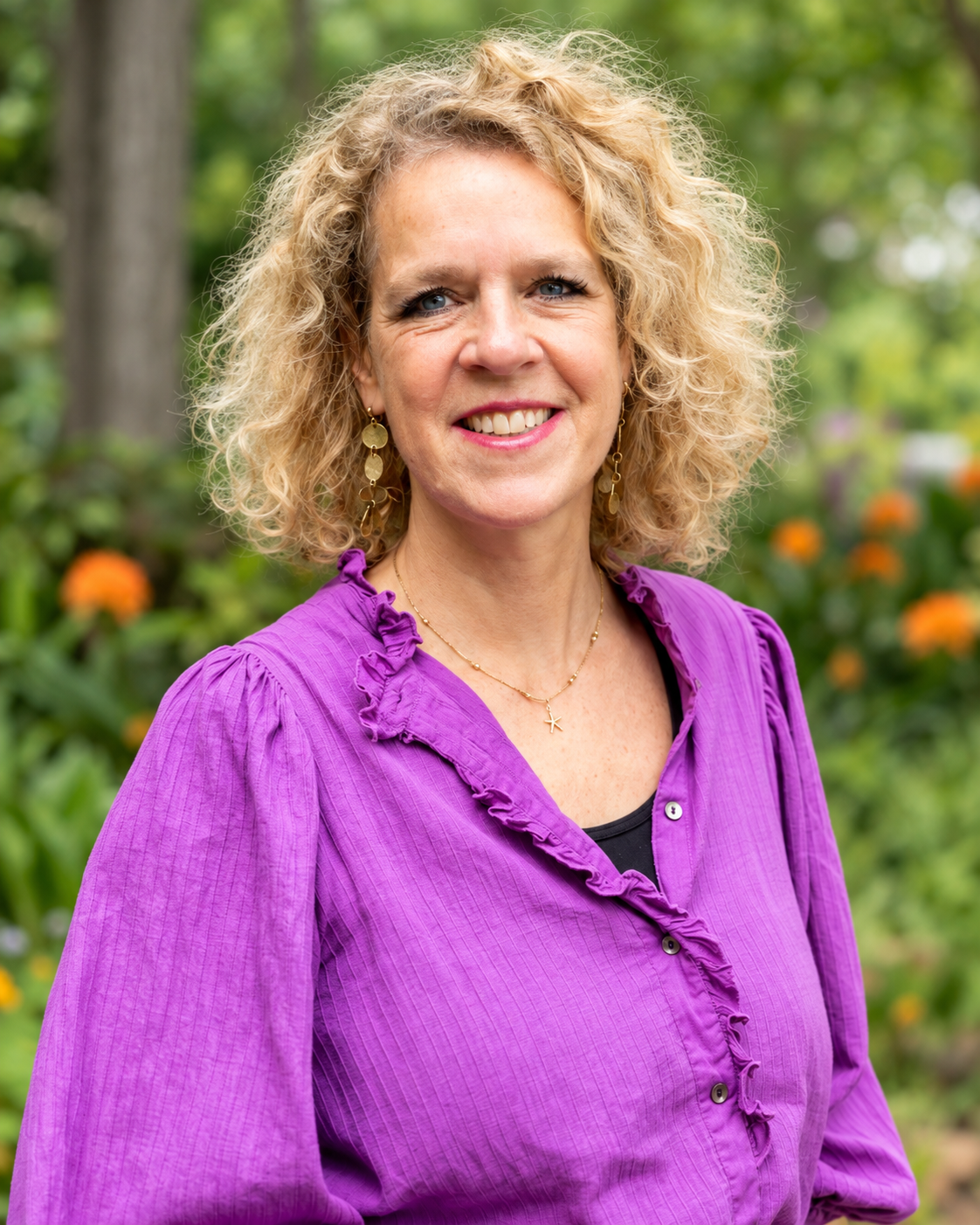
Mieneke te Hennepe is curator of medical collections at Rijksmuseum Boerhaave, the award winning Dutch National museum for the history of Science and Medicine. She is alo Professor by special appointment in Medical history at Leiden University Medical Center. As lead curator of exhibitions including Contagious! and Unseen, she connects medical history with contemporary issues such as epidemics and gender bias in healthcare.
Hilde Bras is Professor of Economic and Social History, with special attention to Global Demography and Health, at the University of Groningen. Her research explores how families, religious organisations, and healthcare institutions have shaped health and social inequalities over time. Her work on East Africa examines missionary medicine, nursing, reproductive and maternal health, and interactions between healing traditions. In “New African health histories: (e)merging lines” (Research Handbook on Historical Sociology, 2026), she proposes an integrated approach connecting historical demography, global health studies, historical sociology, and medical history, foregrounding African agency and lived experiences. Bras is a board member of the Groningen Centre for Health and Humanities and leads the NWO Open Competition–Large project Lives Behind the Patient Record, 1885–1955: A Social History of Institutionalised People (2026–2032), investigating how psychiatric institutionalisation shaped patients’ life trajectories and social inequalities in the Netherlands.
Mayra Murkens is an assistant professor in economic and social history at the University of Groningen. As an historian working at the intersection of historical demography and medical history, she is interested in how ordinary people experienced health in the past and how their experiences and outcomes differed across social groups. As such, her research focusses on health inequalities during the period of the health transition and the lives of the people undergoing these major changes.
María Soledad Montañez is a Lecturer in Spanish (Hispanic Studies) at the University of Glasgow, Scotland. Soledad works at the intersections of language, creativity and community engagement with migrant and multilingual communities in the UK, in particular with the Spanish speaking and Latin American diasporas in the UK.
Her interdisciplinary work with the Latin American migrant communities, largely builds on her academic experience in Latin American cultural studies, literature, film, memory and gender studies.
Her research, teaching and practice emphasise ‘doing/making’ as a decolonial approach, positioning community engagement as both activism and a strategic, practice-based method.
She has published several scholarly articles in international peer-reviewed journals, on Latin American women’s writing and cinema, and Latin American diasporas, including Cinema Journal, Screen, Latin American Perspectives, Studies in Hispanic Cinemas, and the Bulletin of Latin American Research.
Her research also extends to policy reports and impact studies that explore the experiences and contributions of Latin American migrant communities in the UK.
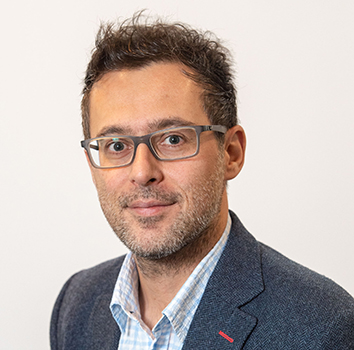
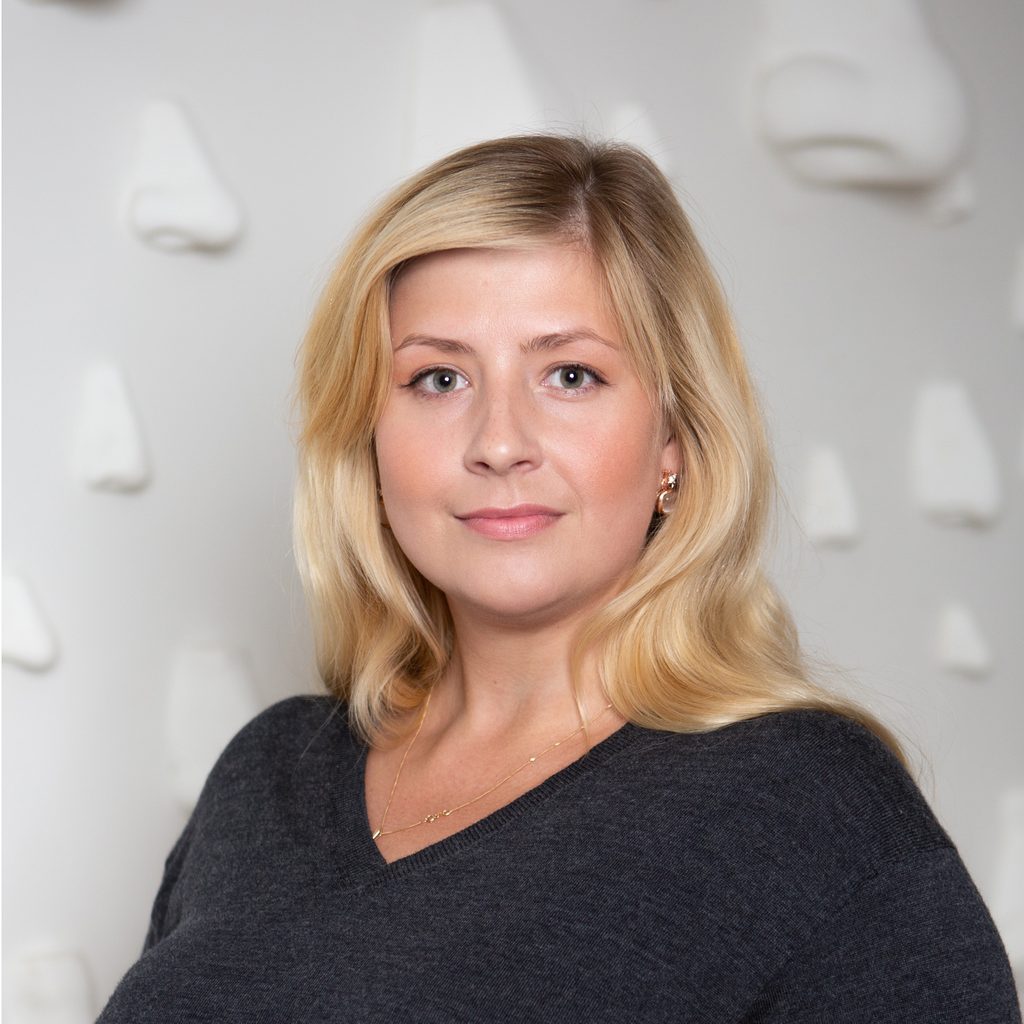
Konstantinos Angelopoulos is a Professor of Economics at the University of Glasgow with research interests in the areas of inequalities (in economic and health outcomes) and how these interact with the processes of growth and development. His recent and ongoing research is focused on the origins of inequality in pre-history, drawing on data from small-scale economies, and on the transitional period of the second half of the 19th and early 20th centuries, drawing on data from historical archives. He is the Director of the Centre for Development Studies, at the Adam Smith Business School, and has served as Director for Post-Graduate Research (PhD studies) for Economics and for the Adam Smith Business School.
Gerda Taumann
Anna Rinaldo is a researcher-curator at the Estonian Health Museum and holds an MA in History. Her work focuses on the history of health and medicine in Estonia, as well as on
researching and communicating health-related heritage through museum exhibitions. She has
curated exhibitions on a range of historical health topics, including Another Pandemic (Jälle see pandeemia!), an outdoor and virtual exhibition launched in 2021 exploring the history and societal impact of pandemics and epidemics in Estonia. Her work combines historical research
with the development of accessible museum narratives and public engagement with health and
medical heritage.
Maarten van Wijhe is an associate professor at the Roskilde University in Denmark. His main field of interest is in historical epidemiology of epidemics and pandemics in the 19th and 20th centuries. Currently, he is studying individual level health records from patient admitted to infectious disease wards at various hospitals across Denmark. He uses these records to study disease patterns and clinical outcomes at the individual level. Previously he has worked on estimating vaccination impact and excess mortality estimations. Through his research, Maarten aims to bridge historical demography and modern epidemiology, showing how insights from past epidemics can help shape and inform todays public health perspectives.
Jon Ploug is a PhD Fellow at the PandemiX Centre, Roskilde University. His research investigates the history of epidemics, pathological collections, and medical museums, with a focus on integrating historical sources and preserved human specimens with biomolecular methods to study past diseases. His project analyses the development of pathological collections in Europe and their evolving scientific, ethical, and institutional significance. He also researches the history of smallpox and plague, collaborating with specialists in ancient DNA and RNA, as well as medical museums and collections across Europe.
Grażyna Liczbińska is an Associate Professor at the Faculty of Biology, Adam Mickiewicz University in Poznań, Poland, affiliated with the Institute of Human Biology and Evolution. Her research focuses on population health, historical epidemiology and historical demography, with particular emphasis on infectious diseases, epidemic mortality, causes of death, health inequalities, and the effects of environmental and socioeconomic stress on populations.
She is the founder and principal investigator of the Poznań Historical Population Database (PHPD), 1830–1900, which integrates more than 260,000 individual birth, marriage and death records and provides a basis for research on mortality, epidemics, demographic behaviour and health inequalities.
Her recent research has focused on the 1866 cholera epidemic in Poznań, investigating mortality patterns, social and economic differences, and sex-specific mortality, as well as the longer-term biological and demographic consequences of population health crises. She combines historical demographic and epidemiological evidence with spatial analysis, GIS and statistical modelling.
Liczbińska is a member of the European Society of Historical Demography, a Board Member of the International Commission for Historical Demography, and Poland’s representative and Working Group 1 Co-leader in COST Action CA22116 The Great Leap: Multidisciplinary Approaches to Health Inequalities, 1800–2022.
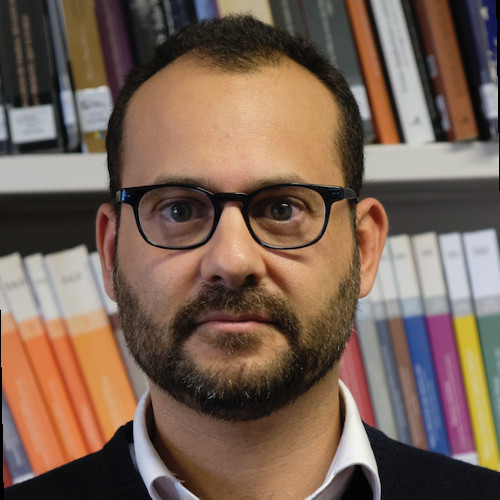
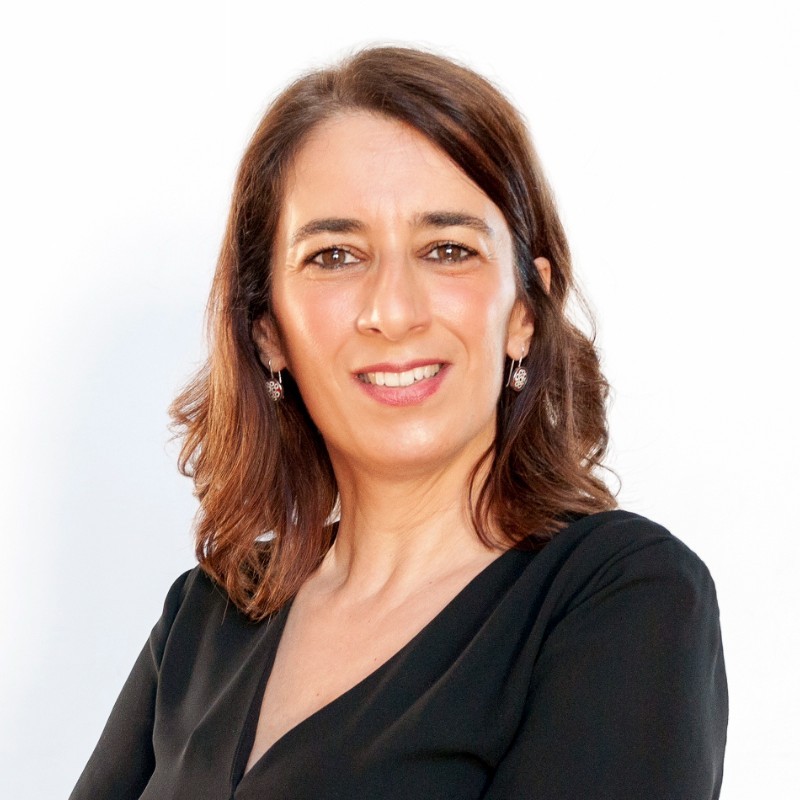
Paulo Teodoro de Matos is an historian and holds a PhD in Historical Demography. Since 2019 he is Assistant Professor at Instituto Universitário de Lisboa (ISCTE-IUL), Department of History. His main research activities are related to Historical Demography, Social History and History of the Portuguese Expansion. He is the PI of the international research project “Counting Colonial Populations. Demography and the uses of statistic in the Portuguese empire, 1776-1875”.
Together with Isabel Tiago de Oliveira, he is the Portuguese representative of COST ACTION – The Great Leap. Multidisciplinary approaches to health inequalities, 1800-2022 (GREATLEAP) Ref. CA22116
His latest publication is Teodoro de Matos, Paulo; Paiva, Diogo (2026), Individual-Level Causes of Death in Portugal, 1834–1910. Their Potential and Pitfalls for Studying Health Inequalities, Historical Life Course Studies, vol. 16. https://doi.org/10.52024/hlcs25479
Vera Borges holds a PhD in Sociology and is a researcher at CIES-Iscte and Assistant Professor at Iscte-University Institute of Lisbon. Her work focuses on cultural and artistic labour, cultural organisations, cultural participation and cultural policy, with particular attention to working conditions, inequalities, sustainability, and the institutional conditions that shape cultural participation and creative work.
She contributed to the first national Survey on Cultural Practices of the Portuguese Population (Borges, 2022) and coordinated the Calouste Gulbenkian Foundation’s Grants and Funding Evaluation Project (Borges, 2024). She was involved in the ARTHE project (2020–2024), funded by the Portuguese Foundation for Science and Technology (FCT), which explored how theatre archives preserve institutional memory and provide evidence of transformations in artistic work and cultural organisations over time. She is currently Principal Investigator of the ACTDIS research proposal, under evaluation by FCT, which examines the active cultural citizenship of adults with disabilities, focusing on participation, agency, co-creation, and the development of more inclusive cultural institutions.
Her recent research examines artistic careers and precarity, cultural participation and inequality, and the role of cultural organisations, archives, and institutional infrastructures in sustaining artistic activity over time. She is the author of five books and has published articles including “Grant-flipping across Europe: How Portuguese artists navigate precarity to sustain aspirations beyond recognition” (Poetics, 2025), “The first national survey on cultural participation in Portugal: Exploring social and professional backgrounds” (Cultural Trends, 2025), “The Transformative Role of ‘Angels’: Cultural Organisations under Austerity” (Cultural Trends, 2021), “Emerging Patterns of Artistic Organizations in Portugal: A Three Case Studies Analysis” (Sociologia del Lavoro, 2020), and “Mapping Cultural Policy in Portugal: From Incentives to Crisis” (International Journal of Cultural Policy, 2018).
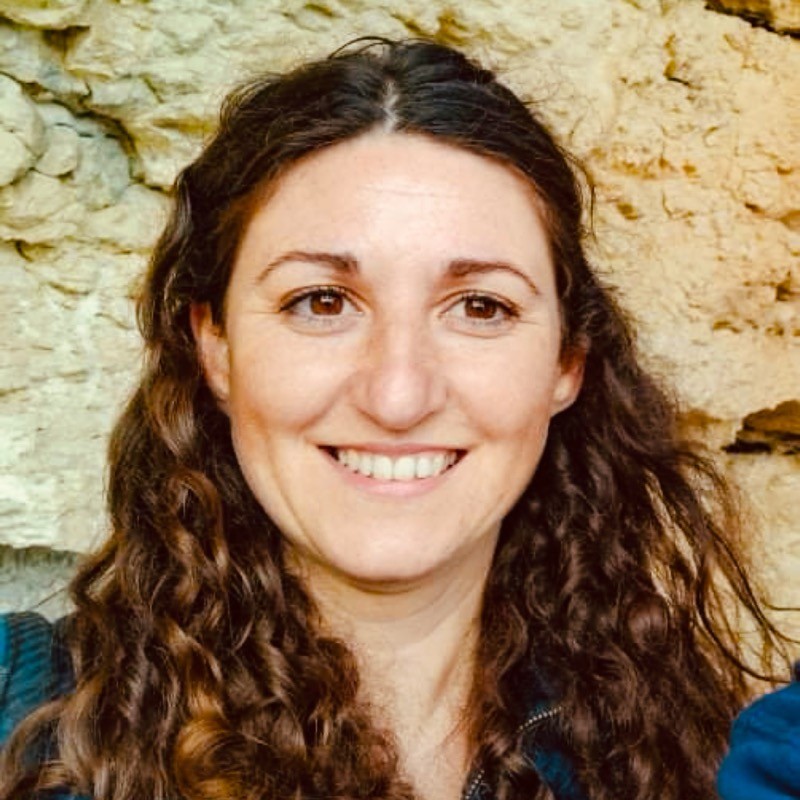
Anna Formosa is a creative practitioner, pharmacist and Founder of Creative Health Malta, whose work bridges the arts, health and community wellbeing. With a Master’s in Applied Drama from the University of Exeter, she has over two decades of experience developing participatory arts projects across the UK and Malta, engaging diverse communities, particularly older adults and intergenerational groups. Her practice explores how creativity can nurture wellbeing, strengthen social connections and foster resilience during challenging times. Anna also contributes to research and advocacy in arts and health, most recently through initiatives in Arts on Prescription and creative interventions in paediatric healthcare. Through this work, she particularly values opportunities to engage with healthcare professionals and explore how the arts can enrich healthcare practice and enhance the wellbeing of patients, their families and healthcare professionals alike. She also enjoys sharing her passion with students at the University of Malta and at knowledge-sharing events.
Beatriz Liebe Masferrer is a theatre Director and Producer, trained in Theatre Performance at the PUC University of Chile and holding an MFA in Creative Producing from The Royal Central School of Speech and Drama in London.
With more than 20 productions premiered at venues and festivals in Spain and internationally, her work is driven by a desire to explore the boundaries of the performing arts and human expression.
Her experience also includes speaking at numerous events addressing diversity in the arts and community-based culture, including the World Association for Psychosocial Rehabilitation Congress (Madrid, 2018), The Global Anti-Stigma Alliance (Prague, 2019), Voices of Culture (Brussels, 2022), the “Performing Arts Methodologies in Group Work in Health and Social Care Settings” meeting (Rosario, Argentina, 2023), and the Congress of the Spanish Association of Neuropsychiatry (Bilbao, 2025), among others.
She is currently Co-Director of l’Altre Festival, the International Festival of Performing Arts and Mental Health in Barcelona.
Martina Cumova s a social worker and educator with more than 20 years of experience in mental health and social services in Barcelona (Spain). With a MBA in Universidad de Nebrija (Madrid), Master of Strategic Marketing in EADA (Barcelona), Master of Social Sciences and Social Work and Bachelor of Social Pedagogy and Consultancy in Masaryk University of Brno, she brings a strategic perspective into the arts, community wellbeing and mental health sector.
During more than 10 years she was responsible for creating new social and work opportunities for people with mental health issues. One of the projects “A tu ritmo” was the winner of the Premio Integra in Spain, for its innovative approach of creating new opportunities based on quality and innovative horizontal methodology, giving job opportunities for more than 30 people with mental health issues in Barcelona. Nowadays, she is a Co-Director of l’Altre Festival, the International Festival of Performing Arts and Mental Health in Barcelona.
Elīna Vikmane, PhD, combines academic research with active involvement in museum-sector development. She is a three-time re-elected Board Member of the Latvian Museums Association and leads the Digital Transformation Working Group of the Network of European Museum Organisations (NEMO). During the COVID-19 pandemic, she was the initiators of the Latvian Museums Association’s #TiekamiesTagad (#SeeYouNow) campaign advocating for the reopening of museums and highlighting their societal role during the crisis. For this work, she was named among Pastaiga magazine’s “Latvian Women of the Year in Culture 2021.”
In 2025, she was a Fulbright Visiting Scholar at the Smithsonian National Museum of Natural History and subsequently became a Research Associate there. Her research examines digitally mediated participatory practices and how digital platforms and technologies enable public participation in museum-based research. She is also a researcher at the Institute of Arts and Cultural Studies in Latvia. Her doctoral thesis (2023) examined the diffusion of digital innovation across Latvia’s museum sector, with particular attention to the accelerated digital transformation of museums during the COVID-19 pandemic, including the development of inclusive digital practices, which were especially evident in museum education as number one innovation, and the characteristics of museums that championed digiital transformation during pandemics.
Inga Surgunte
Clodagh Doyle